
Best Model Train Books for Beginners That Actually Get Trains Running
Posted by Tony Marchetti on 2nd Feb 2026
Order by phone: 763-231-7847
Free Shipping On Orders Over $100!
If you are already registered, please log in.
Create your account and enjoy a new shopping experience.
Create A New AccountPosted by Tony Marchetti on 2nd Feb 2026
I spent 28 years at the CTA fixing things that didn't work. Broken door motors, failed compressors, electrical gremlins that made seasoned mechanics scratch their heads. You know what I learned? The guys who read the manuals first made fewer mistakes. The guys who winged it? They created problems that took twice as long to fix.
Model railroading works the same way. I've watched newcomers drop serious cash on track, locomotives, and buildings, only to end up with a layout that doesn't run because nobody told them about proper track geometry or why their DCC system keeps throwing shorts. A good book costs twenty bucks. Ripping out poorly planned benchwork costs you a weekend and your patience.
My dad ran Lionel trains around our Christmas tree in Cicero when I was a kid. I've been hooked on O gauge ever since. But I've also helped enough club members and forum regulars troubleshoot their disasters that I know which books actually help and which ones gather dust. So let me save you some headaches.
Look, I watch YouTube videos too. Larry Puckett's channel is fantastic for seeing how things actually get done. But here's the thing about video: you can't flip back three pages when you forget a step. You can't dog-ear the wiring diagram you need while you're under the layout with a soldering iron.
Books give you something videos don't: structure. A well-written book by someone like Jeff Wilson takes you from "what scale should I choose" all the way through scenery in a logical sequence. You understand why before you learn how. That matters when you hit problems later.
The NMRA's Beginner's Guide puts it plainly: start small and be willing to discard initial layouts. A 4x8 in HO or an 8x2 modular setup teaches you the fundamentals without overwhelming you. But you need a roadmap to get there, and books from publishers like Peco and Kalmbach have spent decades refining that roadmap.
The smartest approach in 2026? Use books for structured theory and videos for visual reinforcement. One without the other leaves gaps.
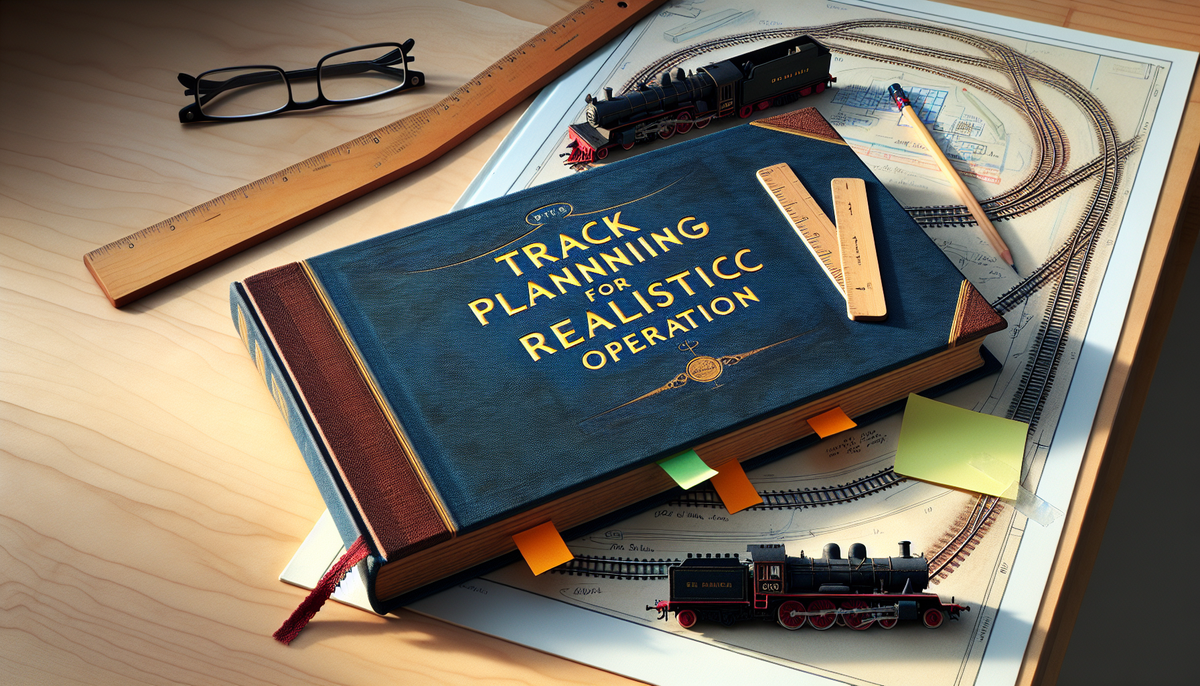
If you buy one book before doing anything else, make it John Armstrong's Track Planning for Realistic Operation. I'm not exaggerating when I say this book has saved more layouts from disaster than any other publication in the hobby.
The Operations Special Interest Group calls it required reading. Forum veterans on Facebook groups recommend it constantly. Why? Because Armstrong doesn't just show you track arrangements. He explains what real railroads do and how to translate that into something that actually works on your table.
Here's the catch: the print version is now selling for over $112 on eBay and Amazon because it's out of print. Don't pay that. The eBook version runs about $21.95 and contains the exact same content. Your wallet will thank you, and you can search the digital version for specific topics anyway.
Armstrong's "by the squares" planning method lets you sketch realistic track arrangements without CAD software. His explanations of freight yards, passing sidings, and branch line operations prevent the rookie mistake of building a layout that looks impressive but bores you after a month because there's nothing to do.
I'll be straight with you: this book came out in 1998. The electrical advice predates widespread DCC adoption. Don't wire your layout based on Armstrong's diagrams alone. Use his planning principles, then move to a modern wiring guide.
The Colorado Rail Car Modelers Library maintains an extensive list of titles, and experienced modelers there echo this advice: Armstrong for planning, something else for electrical.
Here's a number that should concern you: 71% of forum complaints about beginner books cite outdated DC-centric wiring advice. We're in 2026. DCC has been the standard for over two decades. If your book still prioritizes block wiring over DCC bus installation, throw it away.
Larry Puckett's Wiring Your Model Railroad solves this problem. At around $22 new, it covers both traditional DC and modern DCC systems in plain language. Puckett doesn't assume you have an electrical engineering degree. He assumes you want your trains to run without smoke coming from somewhere it shouldn't.
What makes this book special is the companion content. Puckett runs the Model Railroading @TheDCCGuy YouTube channel with nearly 400 videos. When you read about installing a DCC bus in the book, you can watch him actually do it on video. That combination drops troubleshooting time by a third according to modelers who've used both.
If you know you're going straight to DCC and don't care about DC legacy information, Mike Polsgrove's Basic DCC Wiring for Your Model Railroad takes a more focused approach. Polsgrove wrote the electrical column for Model Railroader, and the guy knows his stuff.
The book covers everything from basic track feeders to decoder installation. The diagrams are clear enough that my neighbor, who's an accountant with zero electrical experience, wired his first DCC layout using this book alone. Forum members on Model Train Forum frequently recommend it as their first DCC resource.
For a broader overview of DCC technology, Don Fiehmann's DCC Guide explains the different systems available and helps you choose the right one. Some folks start there before diving into wiring specifics.
The DCC Projects & Applications series from Kalmbach provides intermediate projects once you've mastered the basics. But master the basics first.
Theory is great. Actually building something is better. Peter Vassallo's Build Your First Layout takes a different approach than comprehensive guides. It walks you through building one specific layout: the 4x6 ft Northspur & Tiburon Railroad in HO scale.
Survey data shows 62% of readers complete the featured layout. That's a remarkable number in a hobby where unfinished projects are basically a meme. The Trains.com product page highlights the step-by-step approach covering benchwork, tracklaying, scenery, and structures.
The eBook version runs about $20 if you prefer digital, and used copies on Alibris can save you a few bucks. Midwest Model Railroad keeps it in stock regularly.
Here's the honest assessment: about 13% of reviewers on eBay listings complain that it's "not a beginner's guide" but rather a manual for one specific project. They're not wrong. If you want to build something different from the Northspur & Tiburon, this book teaches techniques but not design principles.
The smart play? Pair it with Armstrong's track planning book. Use Armstrong to understand why track arrangements work, then use Vassallo's book to learn how to actually build benchwork and lay track. RailRoad Modeling's review notes the detailed how-to illustrations that make construction approachable.
For N scale enthusiasts, David Popp's N Scale Model Railroad That Grows applies similar principles to smaller scales. Build 3 Model Railroader Project Layouts gives you multiple options if you want variety.
A running train on bare plywood gets old fast. Kathy Millatt's Building Realistic Model Railroad Scenery changed how I think about landscapes on a layout. She hosts the "Let's Make a Scene" series on Model Railroader Video Plus, and her book translates that expertise into 192 pages of step-by-step photography.
Some library editions include QR codes linking directly to video tutorials. That's the hybrid learning approach working exactly as it should. The Barnes & Noble model railroading section stocks it alongside other Kalmbach scenery titles.
The Trains.com forums frequently recommend Dave Frary's classic scenery books as alternatives. His techniques are older but still effective for basic terrain construction.
Not everyone has a 20x30 ft room for a dream layout. Apartment dwellers, spare-bedroom modelers, and folks whose spouses have "opinions" about taking over the house need different solutions.
Iain Rice wrote the book on shelf layouts. Literally. His work proves you can build engaging, operationally interesting railroads on a shelf just 8-12 inches deep. The eBook version makes his hand-drawn track plans easy to zoom and study.
Lance Mindheim specializes in modern-era switching layouts that fit in a spare room. His books through his website focus on prototypical operations rather than just making trains go in circles. How to Design a Model Railroad answers practical questions: How much aisle space do you need? What's a realistic minimum curve radius?
The Fusion Scale Hobbies guide emphasizes that scale choice affects how much railroad fits in your room. N scale packs more action into tight quarters than HO.
American HO (1:87) and British OO (1:76) both run on 16.5mm track, but the models themselves are different sizes. Mix them and things look weird. Worse, couplers don't match, and some electrical standards differ.
Peco's Your Guide to Railway Modelling addresses this directly for UK hobbyists. It covers planning, track laying, scenery, and wiring from a British perspective. Their OO Gauge specific guide digs into scale-appropriate techniques.
For European prototypes, Your Guide to Modelling European Railways provides 122 pages of inspiration and construction techniques. The Modelling British Railways by Design from Key Publishing offers another solid option.
Model Scenery Supplies stocks the Peco N Gauge Setrack Planbook and other UK-specific resources that won't confuse you with American conventions.
N scale deserves its own attention because the techniques differ from larger scales. Smaller tolerances mean track quality matters more. Derailments that wouldn't happen in HO plague sloppy N scale work.
Atlas publishes Introduction to N Scale Model Railroading with step-by-step layout building instructions. Their Nine N Scale Railroads book provides tested track plans specifically designed for the scale's tighter tolerances.
The Atlas Track Catalog includes layout plans on pages 30-33, 38-39, and 45-49 specifically for N scale. Fifer Hobby Supply carries these along with other N scale resources.
Kato's Unitrack system comes with excellent documentation. Their M1 Starter Guide walks beginners through the integrated roadbed track that makes N scale accessible. James' N Scale Train Layout Project blog provides real-world perspective on using Unitrack as a beginner.
HO dominates the American hobby, which means the most book options exist for this scale. That abundance can actually overwhelm beginners.
Atlas offers Beginner's Guide to HO Model Railroading and their Seven Step-by-Step HO Railroads book. The latter includes plans HO-24 through HO-30, all tested layouts with instructions for benchwork, tracklaying, wiring, and scenery. The Holiday Catalog shows these in context.
The Step-by-Step HO Railroads series walks through everything methodically. Their full catalog of HO books includes options from beginner through advanced.
Atlas Layout Packages bundle track with appropriate books, removing the guesswork about what track you need. The HO True Track section includes the TT-5 Croxton Terminal layout that fits a 4x8 table.
Linn Westcott's 101 Track Plans for Model Railroaders remains popular despite its age. The PDF preview shows the variety available. Just remember that some older plans use tight curve radii that modern equipment doesn't handle well.
Some beginners want one book that covers everything at a surface level before specializing. The Complete Guidebook to Model Railroading attempts this. The Books-A-Million listing notes it covers "basic setup and design to advanced techniques."
The Amazon page describes it as suitable for both beginners and experienced hobbyists. The Model Railroad Resources Handbook takes a similar comprehensive approach.
The Newcomer's Guide to Model Railways from the UK provides step-by-step guidance for the complete layout, though it assumes British conventions.
Before you build permanent benchwork, most beginners run trains on the floor or a table with a starter set. The Bachmann E-Z Track system snaps together without tools. Their E-Z Track Planning Guide helps you design temporary setups that teach track geometry.
B360 Hobbies stocks Kato's Master and Variation sets. The M2 Basic Oval with Passing Track provides enough track to run two trains independently. Atlas product suggestions pair track sets with appropriate instruction books.
The Tips for Building Your First Train Layout PDF from Trains.com includes wiring diagrams for both DC and DCC setups using starter set track.
The AnyRail User Group on Facebook shows how modern modelers combine book knowledge with digital tools. Planning software lets you test track arrangements virtually before committing to real track.
The Atlas Tracks and Accessories guide covers wiring basics that apply whether you're using software or pencil sketches. Atlas catalogs include track templates that work with their planning resources.
Use software after you understand planning principles from Armstrong. The software executes your vision faster, but you need the vision first.
The Atlas Rescue Forum maintains active discussions about beginner resources. Members there share what actually worked for them.
Model Railroad Forums discussions frequently recommend DCC Made Easy by Lionel Strang as a short, basic primer. The AbeBooks listing shows availability, and Walmart carries it at reasonable prices. eBay listings offer used copies. LibraryThing's classification puts it alongside other model railroad electrical books.
The Model Rail Forum's beginners books thread spans years of recommendations. One consistent theme: the Peco Planbook with 60 track plans gives UK modelers variety without overwhelming detail.
The Electronics and Wiring for Model Railways book covers components, control systems, and troubleshooting. Scalehobbyist stocks the DCC Guide along with related electronics titles.
The DCC Guide from ThriftBooks offers used copies at substantial savings. BRS Hobbies carries the full Kalmbach line including advanced DCC titles.
DCC Projects & Applications provides intermediate projects once you've completed basic wiring. The series continues through multiple volumes for ongoing learning.
Once your layout runs reliably, you need something to do besides watch trains circle. Tony Koester's operations books explain car cards, waybills, and timetable operations. The Steam & Diesel Locomotive Servicing Terminals addresses a specific operational topic in depth.
The Goodwill Books listing for Build Your First Layout notes the operational capabilities built into even a small layout. HobbyTown's product page emphasizes the same point.
The Model Railroad Hobbyist October 2021 issue discusses how project layouts can grow into operational layouts.
G scale trains that run indoors or outdoors require different considerations. Beginner's Guide to Large Scale Model Railroading by Marc Horovitz and Russ Larson covers planning and building garden railroads with weather-resistant materials.
The Noch 2022 catalog shows scenery products that work across scales, from N through G.
After years of helping newcomers, here's what I recommend you actually buy:
First Purchase: Armstrong's Track Planning (eBook, ~$22). Read it before you buy a single piece of track.
Second Purchase: Puckett's Wiring Your Model Railroad (~$22). Bookmark his YouTube channel immediately. The Knox County Library catalog shows this title available through library systems if you want to preview before buying.
Third Purchase: Either Vassallo's Build Your First Layout or your scale-specific Atlas guide. Depends on whether you want to build a specific layout or choose your own design.
Fourth Purchase: Millatt's scenery book when you're ready to move beyond bare plywood.
Total investment: under $100 for the knowledge that prevents $500 in mistakes.
Every expert modeler I respect started with an ugly layout that didn't work right. They learned by fixing their mistakes, reading what they should have read earlier, and trying again. The UK Amazon listing for Build Your First Layout mentions this in the reviews.
Books don't make you an expert. Building makes you an expert. Books just shorten the path between "confused beginner" and "competent builder."
I've been running O gauge since my dad set up that Lionel under the tree in Cicero. My basement layout mixes postwar equipment with modern production because I never understood why collectors treat running their trains like a crime. These books helped me build a layout that runs reliably and gives me something to do every evening.
They'll do the same for you if you actually read them before you start cutting wood.
✨ Complete Your Layout: Explore our wide selection of Photo Real buildings, diorama backdrops, detail parts, and accessories in every popular scale.
✨ Unmatched Realism: From chrome detailing products to neon lighting kits – every piece is designed to make your miniature world come alive.